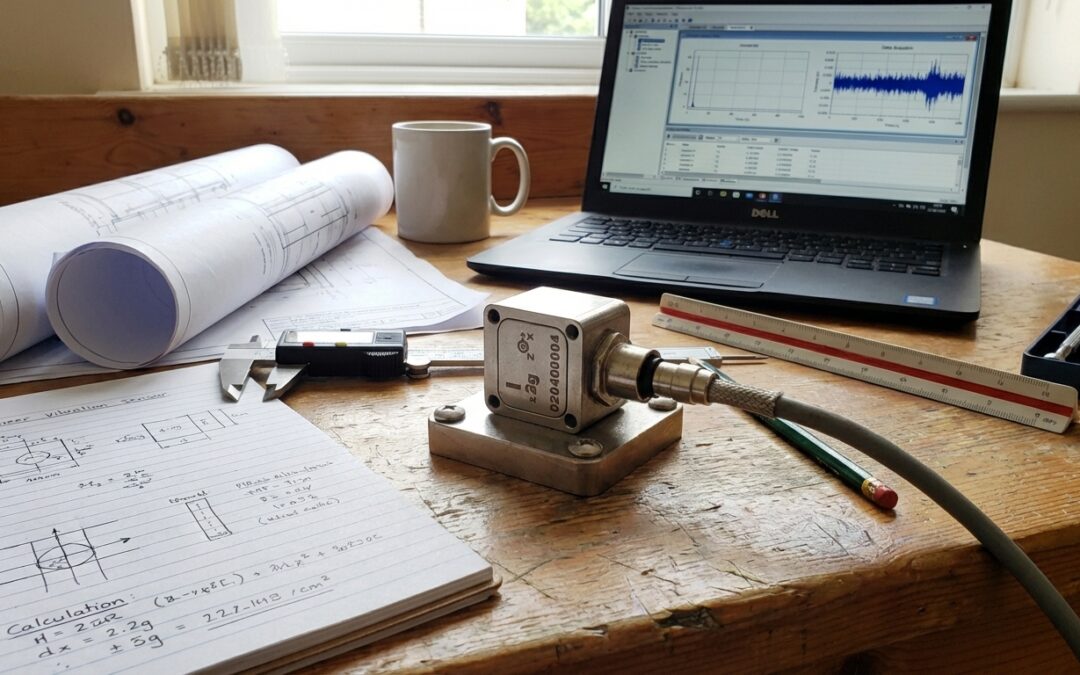
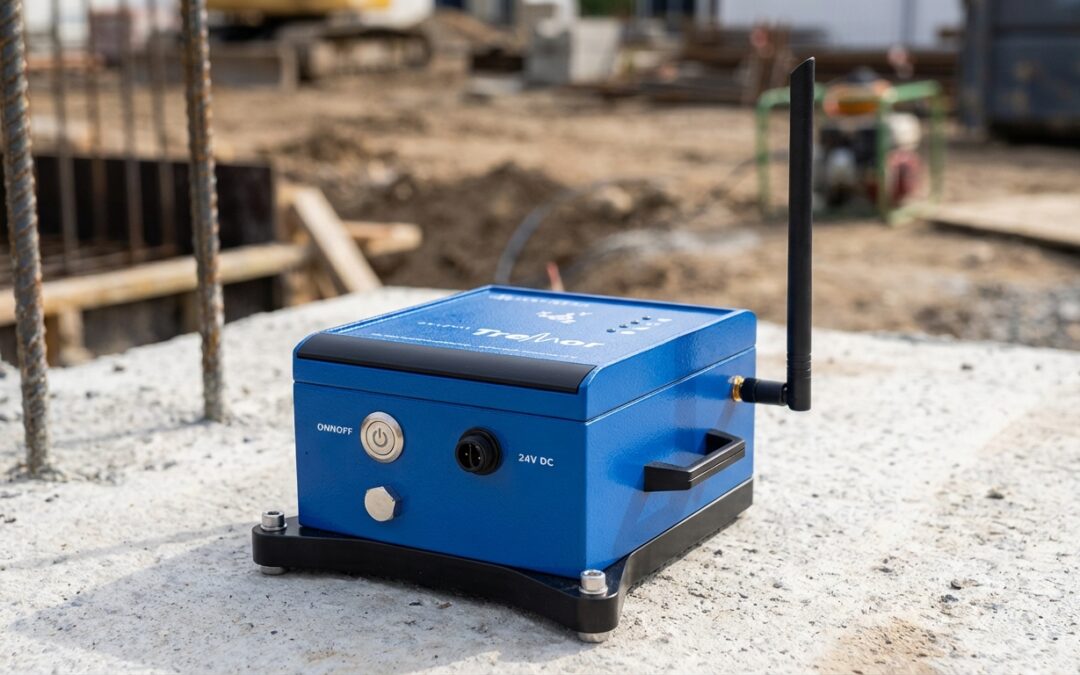
Measuring or monitoring vibrations only becomes valuable when the collected data is correctly interpreted. In European construction and industrial contexts, vibration data interpretation is essential for assessing risk, demonstrating compliance, and supporting...
Vibration standards and regulations define how vibration levels must be measured, assessed, and limited in order to protect buildings, infrastructure, equipment, and people. In Europe, vibration assessment is largely based on recognised technical standards that...
Vibration sensors are at the core of any vibration measurement or monitoring system. They convert mechanical vibrations into measurable signals that can be analysed to assess structural integrity, machine condition, or environmental impact. In Europe, the correct...
Measuring vibrations on construction sites is a critical practice in Europe, particularly in dense urban environments and near existing buildings or sensitive infrastructure. Construction activities such as demolition, piling, drilling, or the operation of heavy...
Offshore structures such as wind turbines, oil platforms, and floating foundations are constantly exposed to waves, wind, and dynamic loads. These forces create vibrations and slow structural tilts that can lead to fatigue, misalignment, or permanent deformation over...