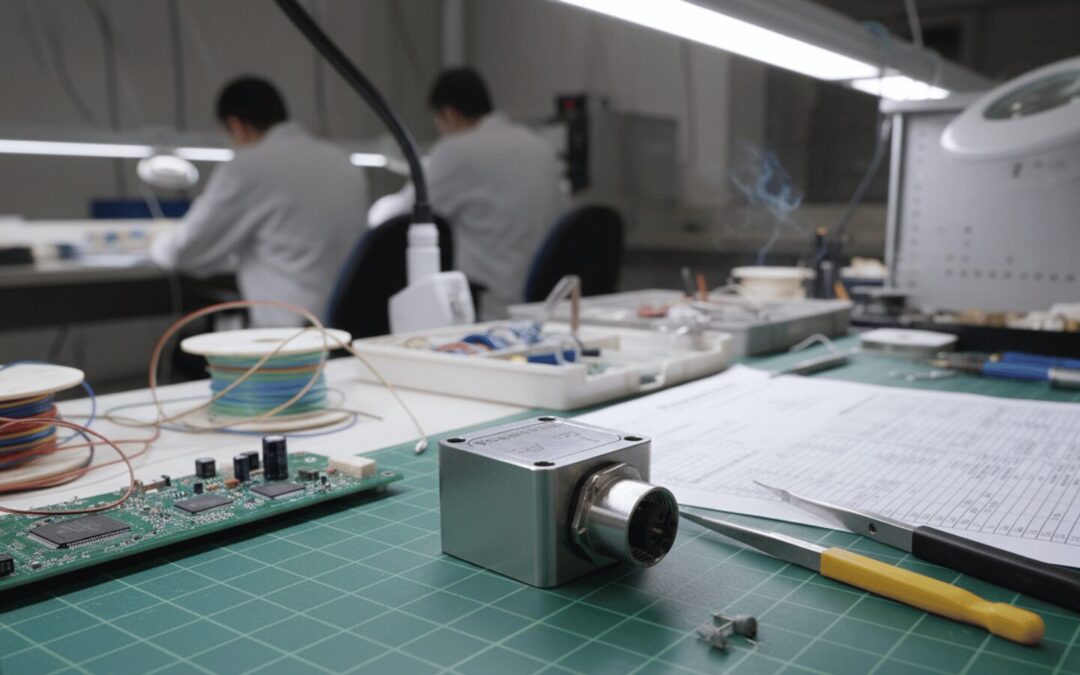
An accelerometer sensor converts vibration into an electrical signal. The output type determines how this signal is transmitted and how well it resists noise or signal loss. Micromega Dynamics’ Recovib® MEMS accelerometers support the main industrial formats — 4–20 mA...
Tall and slender structures such as towers, chimneys, wind turbines or high-rise buildings are exposed to wind loads and dynamic vibrations. Monitoring these effects is essential to ensure stability, extend the lifetime of the structure and comply with safety...
Accelerometers are at the heart of vibration monitoring. They allow engineers to detect abnormal oscillations, analyze machine performance, or monitor the structural health of sensitive buildings. But not all accelerometers rely on the same principle. The two most...
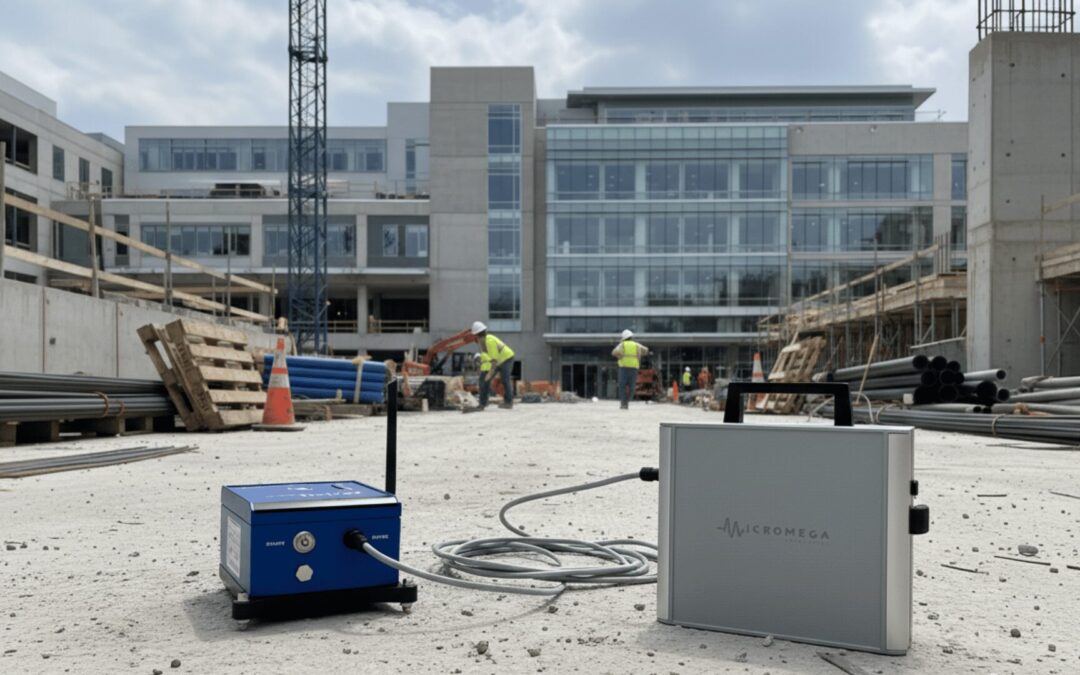
When a construction project takes place next to a hospital, a historic monument, a museum or residential buildings, vibrations are no longer a detail. Even moderate levels can cause cracks, weaken structures or spark complaints from local communities. That is why...
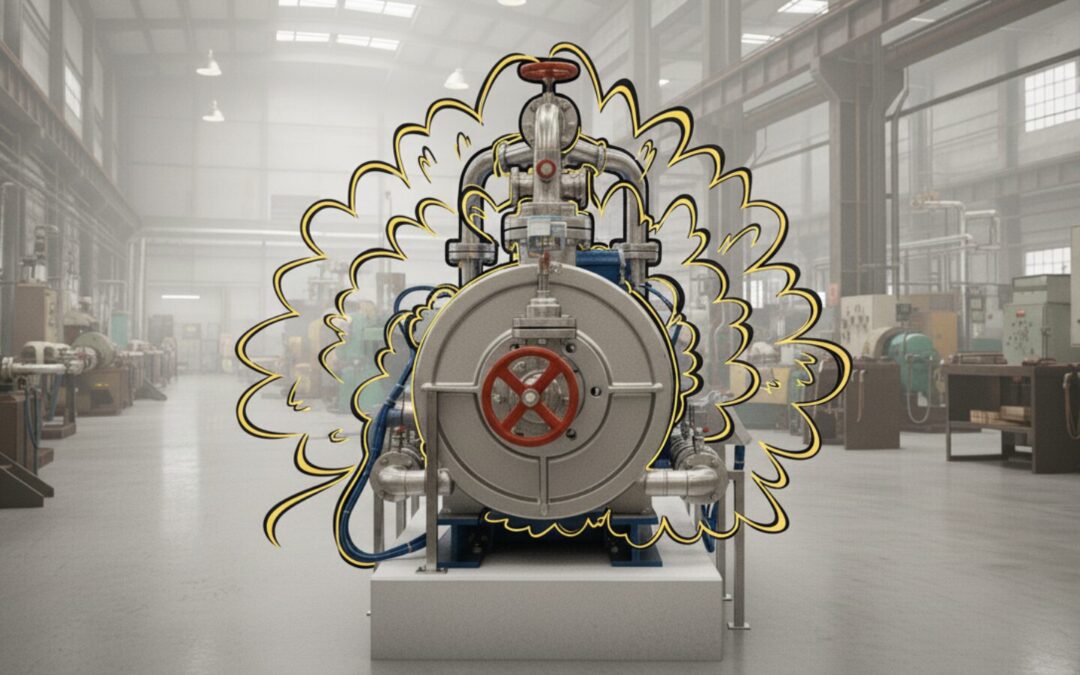
Unexpected downtime is one of the most costly problems in industry. A large part of it is linked to vibrations: imbalance in rotating parts, misalignment of shafts, bearing degradation, or resonance in structures. Each of these phenomena generates vibration signatures...