
Measuring Vibrations on Construction Sites: Methods, Standards, and Best Practices
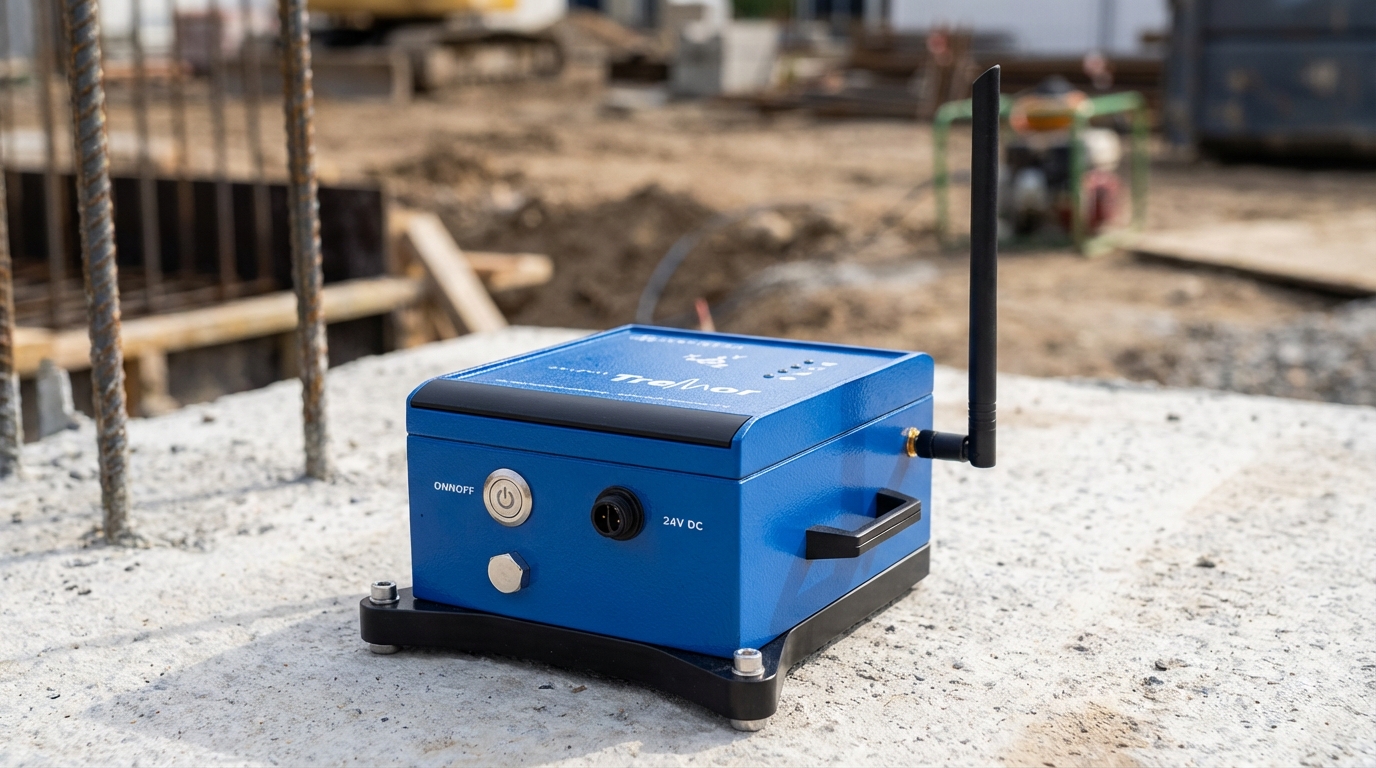
 Measuring vibrations on construction sites is a critical practice in Europe, particularly in dense urban environments and near existing buildings or sensitive infrastructure. Construction activities such as demolition, piling, drilling, or the operation of heavy machinery generate vibrations that can propagate through the ground and surrounding structures.
When not properly assessed and controlled, these vibrations may lead to structural damage, contractual disputes, complaints from third parties, and non-compliance with applicable standards. Vibration measurement provides an objective, traceable basis for managing these risks throughout the lifecycle of a construction project.
What Is Vibration Measurement on a Construction Site?
Vibration measurement on a construction site consists of recording mechanical vibrations generated by construction activities in order to quantify their intensity, frequency, and duration. Measurements are typically performed on the ground or directly on nearby structures using dedicated vibration sensors.
The purpose of vibration measurement is to determine whether vibration levels remain within acceptable limits and to provide reliable data for technical, contractual, or regulatory evaluation.
Why Measure Vibrations on Construction Sites?
In the European construction context, vibration measurement serves several complementary objectives. It allows project stakeholders to manage risk proactively rather than reacting after damage or complaints occur.
Vibration measurement is used to:
- protect neighbouring buildings and infrastructure,
- demonstrate compliance with recognised standards,
- provide objective evidence in case of disputes,
- support informed adjustments to construction methods.
On projects involving sensitive structures or urban constraints, vibration measurement is often considered a standard component of risk management.
Which Vibration Quantities Are Measured?
Vibration assessment relies on physical quantities that are directly linked to potential structural impact. European standards and guidelines primarily use vibration velocity as the main evaluation criterion, while other parameters support interpretation.
The most commonly measured quantities are:
- vibration velocity, expressed in mm/s, used as the primary indicator for building protection,
- acceleration, useful for identifying impacts and short-duration events,
- displacement, relevant for low-frequency or slow ground movements,
- frequency content, essential for identifying vibration sources.
Among these, vibration velocity is the reference parameter in most European building-related standards.
How Are Vibrations Measured on Construction Sites?
Vibrations can be measured using different approaches depending on project duration, risk level, and regulatory context.
Spot Measurements
Spot measurements consist of short-term data acquisition over a limited period. They are typically used to:
- establish baseline conditions before construction,
- assess vibration levels during a specific activity,
- perform expert evaluations after an incident.
Spot measurements provide precise information for a defined time window but do not capture long-term exposure.
Continuous Vibration Monitoring
Continuous vibration monitoring involves recording vibration levels over extended periods, from several days to several months. This approach is widely used on European construction projects where vibration exposure varies over time.
Continuous monitoring allows:
- detection of all vibration events, including short peaks,
- long-term trend analysis,
- verification of compliance throughout the project duration.
Real-Time Monitoring and Alerts
Real-time monitoring systems compare vibration levels with predefined thresholds and generate alerts when limits are exceeded. This enables rapid operational response, such as modifying construction methods or stopping specific activities.
Real-time monitoring is particularly relevant on high-risk or highly constrained sites.
Which Sensors Are Used for Vibration Measurement?
Several types of vibration sensors are commonly used on construction sites:
- accelerometers, suitable for high-frequency vibrations and impacts,
- geophones, widely used for ground and building vibration measurement,
- compact electronic sensors designed for continuous field deployment.
Sensor selection depends on the vibration quantities to be measured, the required frequency range, environmental conditions, and monitoring duration.
Where Should Vibration Sensors Be Installed?
Correct sensor placement is essential for meaningful results. On construction sites, sensors are typically installed:
- on foundations or load-bearing elements of neighbouring buildings,
- on the ground between the vibration source and sensitive structures,
- at locations representative of vibration transmission paths.
Incorrect placement may lead to underestimation or overestimation of vibration levels.
Vibration Standards and Reference Values in Europe
In Europe, vibration assessment is generally based on recognised technical standards rather than purely local regulations. These standards provide harmonised measurement methods and reference values accepted by engineers, authorities, and courts.
Commonly used references include:
, DIN 4150-3, which defines vibration limits related to structural damage,
, ISO 4866, which specifies principles for vibration measurement and evaluation in buildings but does not define damage thresholds,
, BS 7385, used for the assessment of vibration effects on structures.
ISO 4866 is therefore primarily a methodological standard, while damage-related acceptance criteria are defined in national standards such as DIN 4150-3.
For residential buildings, reference vibration velocity limits typically range from 5 to 20 mm/s, depending on building sensitivity, condition, and vibration frequency. These values must always be interpreted in accordance with the applicable standard.
Baseline Measurements Before Construction
Performing baseline vibration measurements before construction begins is considered best practice on European projects. Baseline measurements document existing vibration conditions and provide a reference for comparison during and after construction activities.
Baseline data helps distinguish pre-existing conditions from construction-related effects and strengthens the credibility of vibration assessments.
Interpreting Vibration Measurement Results
Interpreting vibration data requires more than comparing values to numerical thresholds. Results must be analysed in context, taking into account:
- the applicable standard,
- vibration frequency content,
- duration and repetition of events,
- correlation with construction activities.
A short-duration peak may be acceptable, while moderate vibrations repeated over long periods may present a higher risk.
Typical Construction Scenarios Requiring Vibration Measurement
Vibration measurement is commonly required for:
- demolition works in urban areas,
- piling and sheet piling operations,
- deep drilling or ground improvement,
- construction near existing or historic buildings,
- projects close to sensitive infrastructure such as railways or bridges.
In these scenarios, vibration measurement supports both technical control and stakeholder communication.
From Measurement to Risk Management
Vibration measurement is not an isolated technical task. When integrated into project planning and site management, it becomes a practical risk management tool that supports decision-making, protects assets, and enhances transparency.
Used correctly, vibration measurement contributes to safer, more controlled, and more defensible construction practices.