Urban environments are increasingly dense, complex, and sensitive to external disturbances. Construction activities, road and rail traffic, industrial operations, and infrastructure upgrades all generate vibrations that propagate through soil and structures. In such...
Bridges are strategic infrastructure assets that must remain safe and operational for decades. Unlike many other structures, they are continuously exposed to dynamic loading from traffic, wind, thermal variation, and environmental ageing. Ensuring their long-term...
Wind is one of the most complex dynamic actions affecting modern structures. Unlike static loads, wind produces fluctuating forces that vary in intensity, direction, and frequency content. For slender or flexible structures such as high-rise buildings, towers, masts,...
Vibration limits for residential buildings are a critical concern on construction and infrastructure projects across Europe. Unlike industrial facilities, residential buildings combine structural sensitivity with occupant expectations regarding comfort and safety. As...
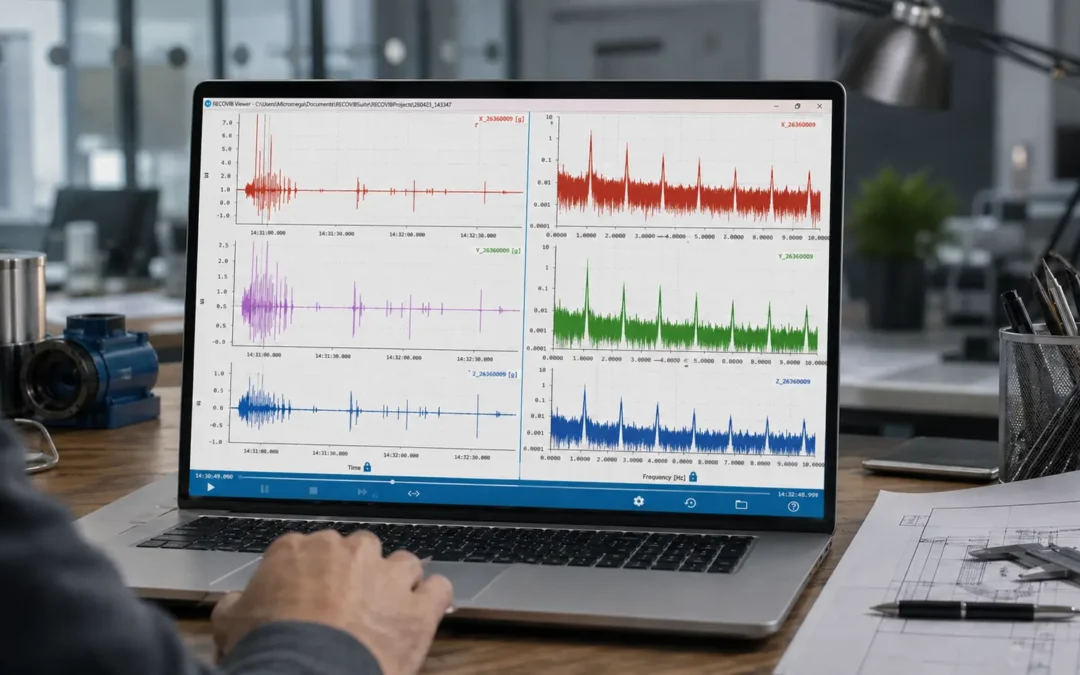
Reliable vibration monitoring has become fundamental across engineering disciplines—from structural diagnostics to rotating machinery health and high-precision industrial processes. A modern vibration monitoring system integrates sensors, data acquisition, analytics,...